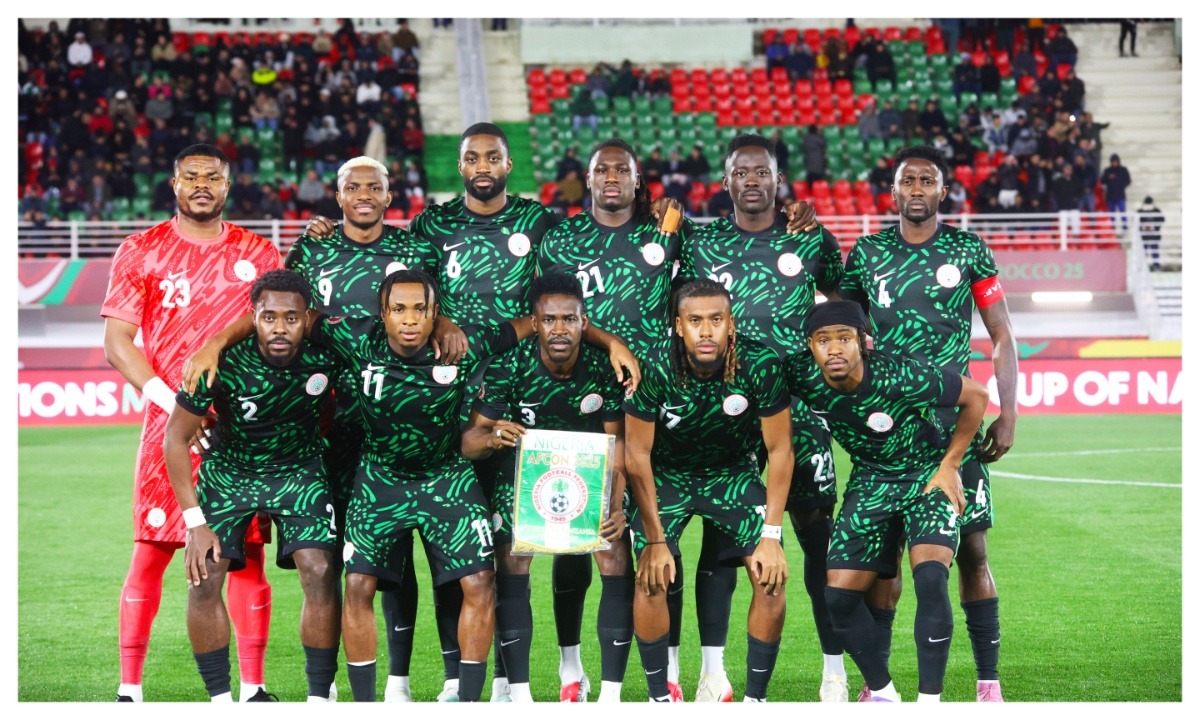
As the dust settles on the 2025 Africa Cup of Nations in Morocco, the Super Eagles’ journey evokes pride and frustration in equal measure. On paper, finishing third and claiming the bronze medal is an achievement, especially after a spirited campaign that saw Nigeria win all its group matches and sweep aside Mozambique 4–0 in the Round of 16. Yet beyond the podium finish lies a story of internal discord, painful fine margins and a sobering reminder that Nigeria must not only compete but evolve if we are to reclaim continental dominance.
When players feel compelled to halt preparation in the middle of a major tournament, it signals a breakdown in trust, communication and respect. Nigerian footballers who continue to give everything for the national colours deserve professionalism and transparency from those entrusted with managing the game.
On the pitch, the Super Eagles delivered a resilient performance against host nation Morocco, holding them scoreless through regulation time and extra time. The contest, however, descended into the unforgiving lottery of penalties. Samuel Chukwueze’s missed kick quickly became the focus of public anger and criticism, yet football history teaches us that penalties define moments, not careers. Some of the greatest players to ever grace the game have missed from the spot in the biggest matches imaginable. Roberto Baggio’s miss in the 1994 World Cup final still haunts Italian football folklore. Lionel Messi has missed decisive penalties in Copa America finals. Even Cristiano Ronaldo has endured similar heartbreak on the international stage. Penalties are a test of nerve as much as technique, and Nigeria’s failure cannot be placed on the shoulders of one player alone. It raises deeper questions about psychological preparation, squad management and collective responsibility.
The third place playoff victory over Egypt provided relief and restored pride. Winning bronze confirmed Nigeria’s consistency in reaching the latter stages of the Africa Cup of Nations and extended our impressive record in third place matches. Yet consistency without progress is stagnation. Nigeria has the talent, pedigree and global presence to aim higher than consolation medals. The uncomfortable question remains why a nation so rich in footballing resources continues to fall just short when titles are within reach.
The answer lies beyond tactics and team selection. Nigeria must commit to genuine football development. Youth systems, coaching education, sports science, player welfare and administration must be treated with the same urgency as match day results. Talent alone is no longer enough in modern football. Without strong systems, even the most gifted teams will struggle to turn promise into silverware.
Beyond AFCON, the Super Eagles’ journey continues under a cloud of uncertainty as Nigeria awaits FIFA’s decision on the petition against the Democratic Republic of Congo following the World Cup qualification playoff. The outcome will have significant implications for Nigeria’s hopes and for perceptions of fairness in African football. However, success cannot depend on petitions or boardroom outcomes alone. It must be earned through preparation, structure and professionalism long before matches reach the courtroom.
AFCON 2025 should be remembered as a tournament of mixed emotions. It showcased Nigerian resilience and talent but also exposed deep rooted challenges that continue to hold our football back. Celebrating bronze is acceptable, but settling for it is not. Football is more than a sport in Nigeria. It is identity, unity and national pride. This moment must serve as a turning point for administrators, policymakers and stakeholders to build systems that match the passion of the players and the expectations of the people. Only then can the Super Eagles truly soar to the heights their talent promises.
Kenneth Ogbuehi, FIFA licensed agent and CEO, EKAO Player Management Limited